 Louis Hannibal Nez
Founders in their own memory
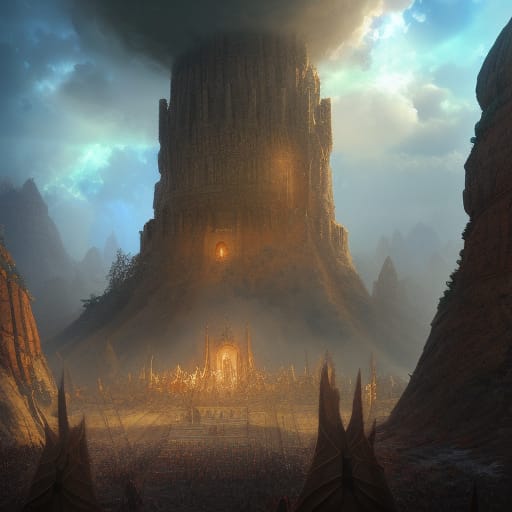
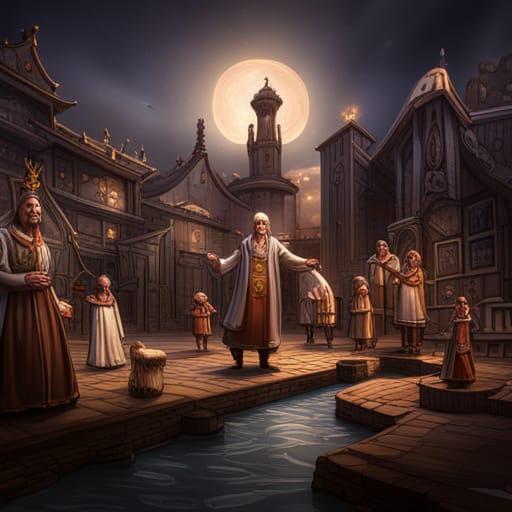
Zemmerman manuscripts and oral traditions describe their people as the first inhabitants and founders of Rdrilveria. They credit beings called the Essencials with shaping them from clay and fire, teaching them and sending them across Zyllyön as messengers of peace and knowledge.
The archive preserves this as a foundation myth. It may contain distorted memory of the colonization age, but no such interpretation is asserted as fact until the relationship between the tradition, Vera and the human awakenings is established.
Rdrilveria and cycle zero
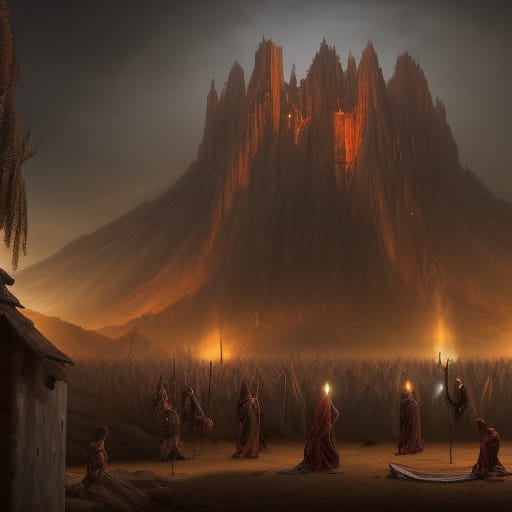
Zemmerman groups gradually settled fertile lands near the Crovin Sea and drew other peoples toward the place that became the endecagonal citadel of Rdrilveria. Their teachers shared agriculture, healing, construction and early forms of alchemy.
Later chroniclers treated the foundation of the citadel as cycle zero. This is useful as a historical convention for recorded civilization, but it does not mark the first arrival or awakening of humans on Zyllyön.
Migration and coexistence
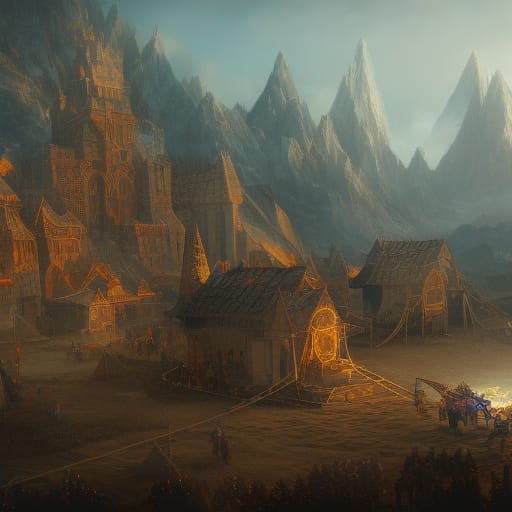
Before the citadel, Zemmerman traditions remember generations of travel. Some groups arrived with isolated families from other peoples, helping transform a settlement into a multiethnic center.
Their celebrated role as peaceful unifiers belongs partly to their own historiography. Even so, the persistence of Zemmerman words and institutions suggests that their cultural influence on Rdrilveria was substantial.
Ravites and the council of twelve
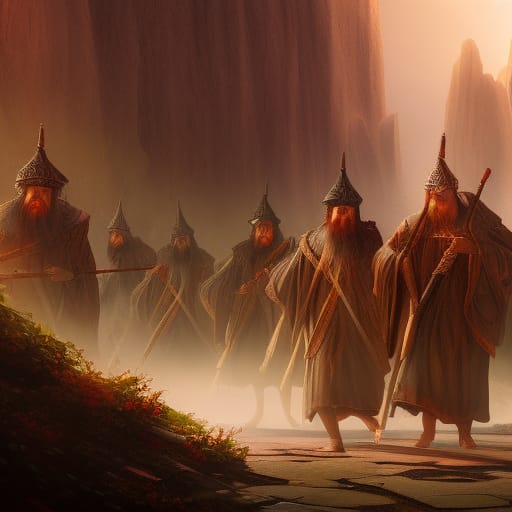
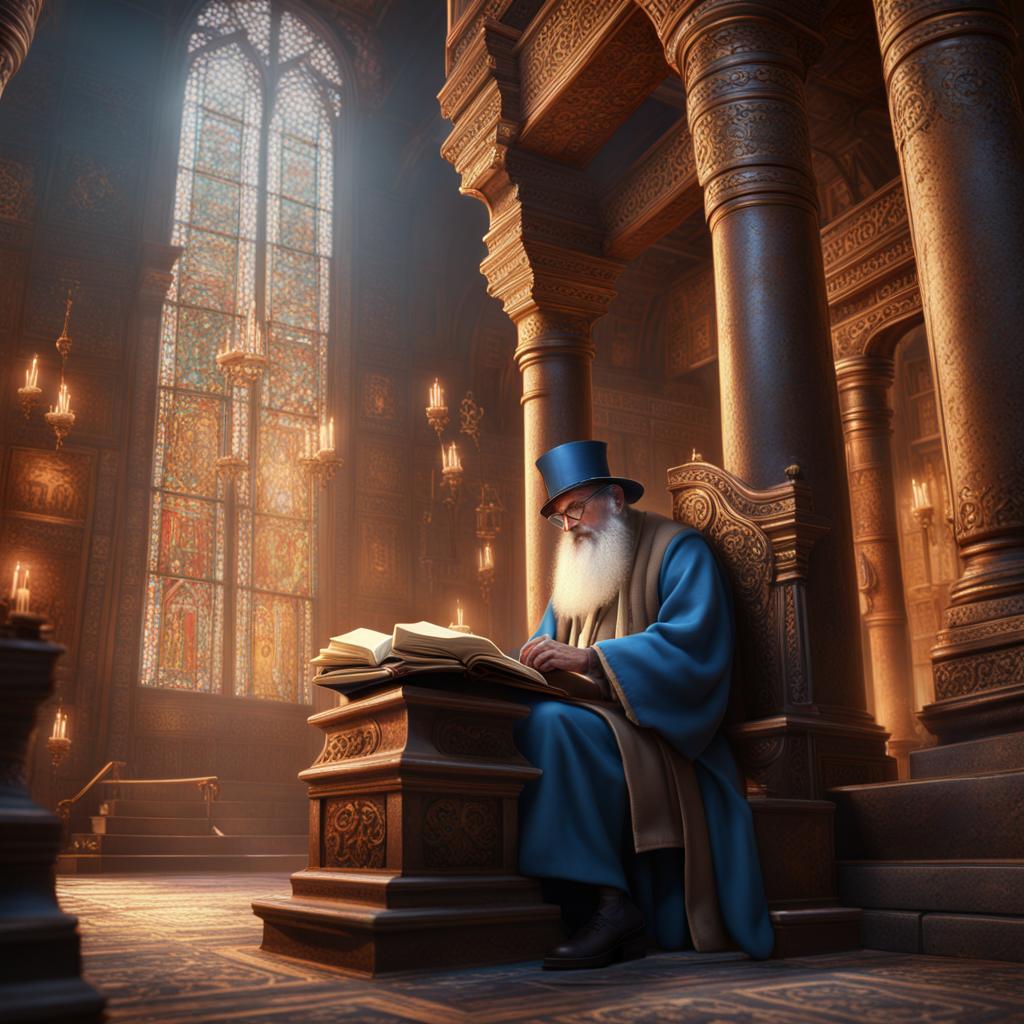
Nomadic communities followed spiritual leaders called Ravites and selected a Great Rav for each cycle. In Rdrilveria, tribal leadership developed into a council whose membership eventually settled at twelve.
Knowledge, age and useful mastery conferred status more strongly than wealth. Healers, builders, weavers, cooks and teachers mattered because their abilities kept an expanding society alive.
Relations with other peoples
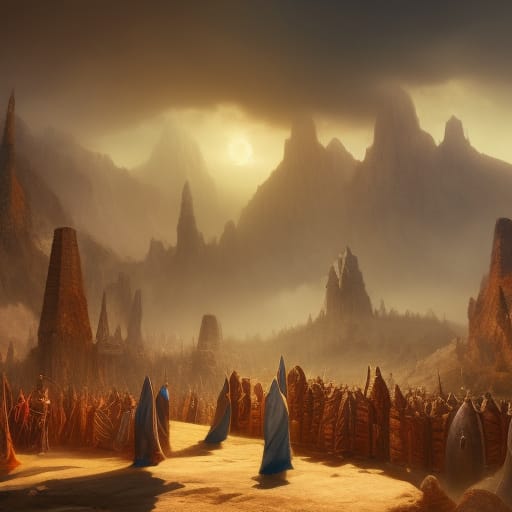
Zemmerman accounts portray emerging peoples as attentive students and the Morguendis as former enemies transformed through instruction. That version must be read critically: it reflects how Zemmerman authors understood their civilizing role.
What can be stated safely is that Rdrilveria became a meeting place where multiple peoples exchanged knowledge, ritual and language under institutions strongly associated with Zemmerman leadership.
The Essencials and sacred continuity
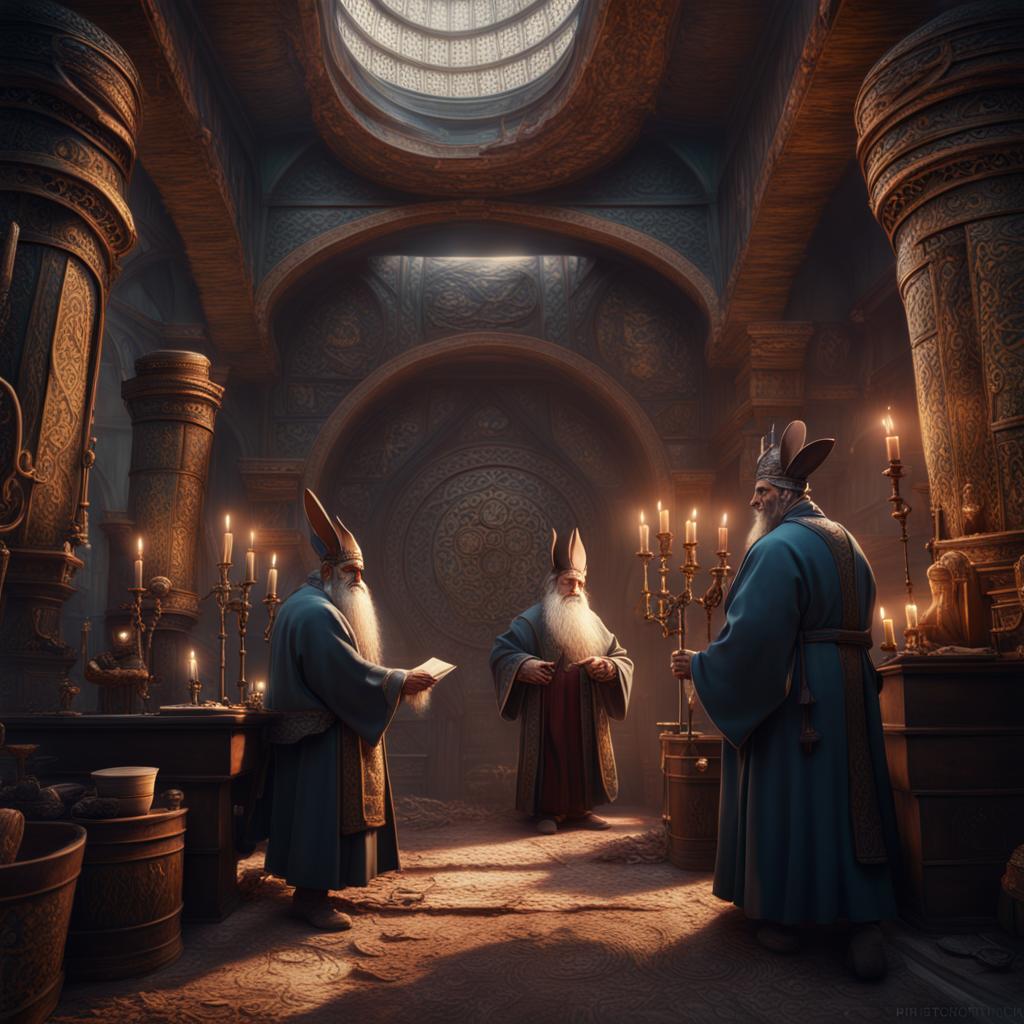
The Essencials were worshipped as beings from a transcendent realm associated with Zammön. Daily offerings and twelve annual nights of celebration were believed to sustain the balance of Rdrilveria.
Reincarnation shaped funerary practice: death was treated as passage rather than termination. Sacred sites, especially Rdrilveria, were understood as places where the Essencials' influence remained perceptible.
The Common Tongue
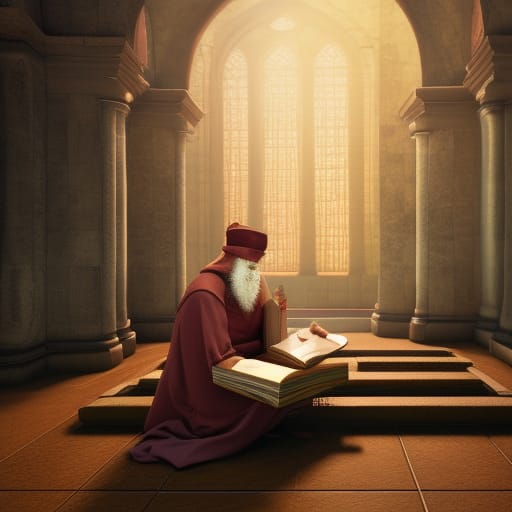
Zemmerman scholars developed a language designed, according to their tradition, to be adapted by different phonetic systems. It became the basis of the Common Tongue used between peoples.
The original language later fragmented, but names such as Zyllyön, Zammön and Zuvvön survive across cultures. This linguistic inheritance may be the civilization's most widespread living monument.
Dress, art and architecture
Zemmerman clothing favored muted handmade fabrics and concealed jewelry, reflecting humility and restraint. Art, by contrast, could be elaborate: painting, sculpture, metal and ceramic work repeatedly represented the Essencials.
Their architecture used rounded forms, sophisticated ornament and stones believed to shine with celestial power. Temples and monuments turned religious cosmology into civic space.
Music, dance and story
Flutes, drums, energetic dances and ceremonial performances narrated the deeds of the Essencials and the history counted from Rdrilveria's foundation.
Performance was not separated from education. Rhythm and movement helped preserve collective memory in a society that valued both written scrolls and oral transmission.
Administration and the Zircan
Centuries of movement taught Zemmerman communities to distribute scarce resources carefully. Agriculture, fishing, trade and craft were organized around continuity rather than display.
Rdrilveria adopted a common currency called Zircan, minted in gold, silver and copper. Peoples accustomed to barter continued using it after leaving the citadel, evidence of how Zemmerman administration outlived Zemmerman political power.

Education and family
Ravite temples functioned as schools for Zemmerman families and, with varying degrees of openness, students from other peoples. Oral teaching and written scrolls transmitted healing, craft, governance and sacred knowledge.
Families were often large and treated as the first institution of learning. Marriage rituals imagined two souls joined across successive reincarnations, connecting domestic life to Zemmerman cosmology.
Eyes within the flame
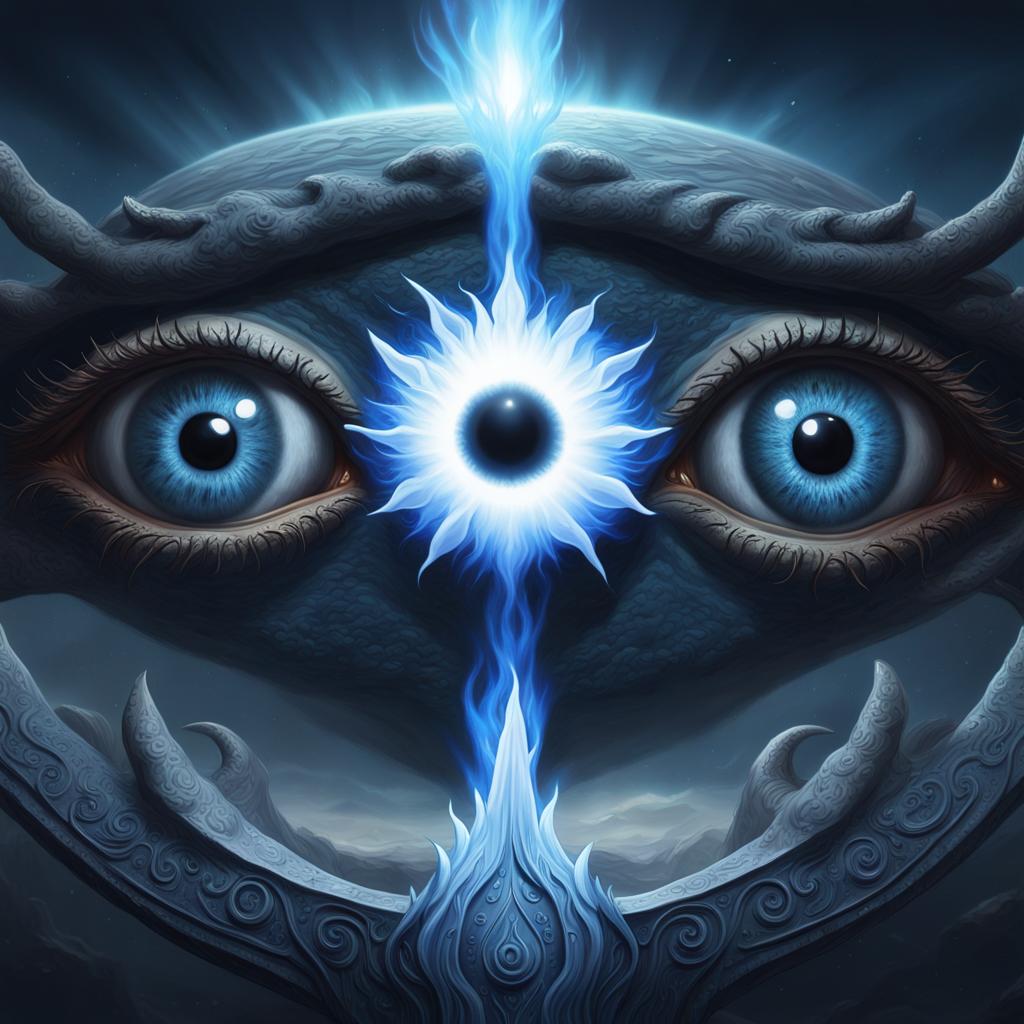
The Zemmerman emblem joined multiple eyes—representing the Essencials—with white and blue flame associated with light and Zammön. It appeared on garments, homes, workshops and temples.
For later cultures, the image became an archaeological sign: a way to identify Zemmerman influence even where the people themselves were no longer remembered.
Exodus, extinction and inheritance
When Rdrilveria's social order collapsed and other peoples departed, the Zemmerman population that remained diminished until no independent community could be identified. Whether every lineage ended or many descendants were absorbed into other peoples is unresolved.
Their civilization is extinct as a living institution, not absent from Zyllyön. The Common Tongue, administrative habits, sacred vocabulary and fragments of knowledge continue inside societies that have forgotten where they came from.